Why Consultation Matters for Liposuction Michigan Success
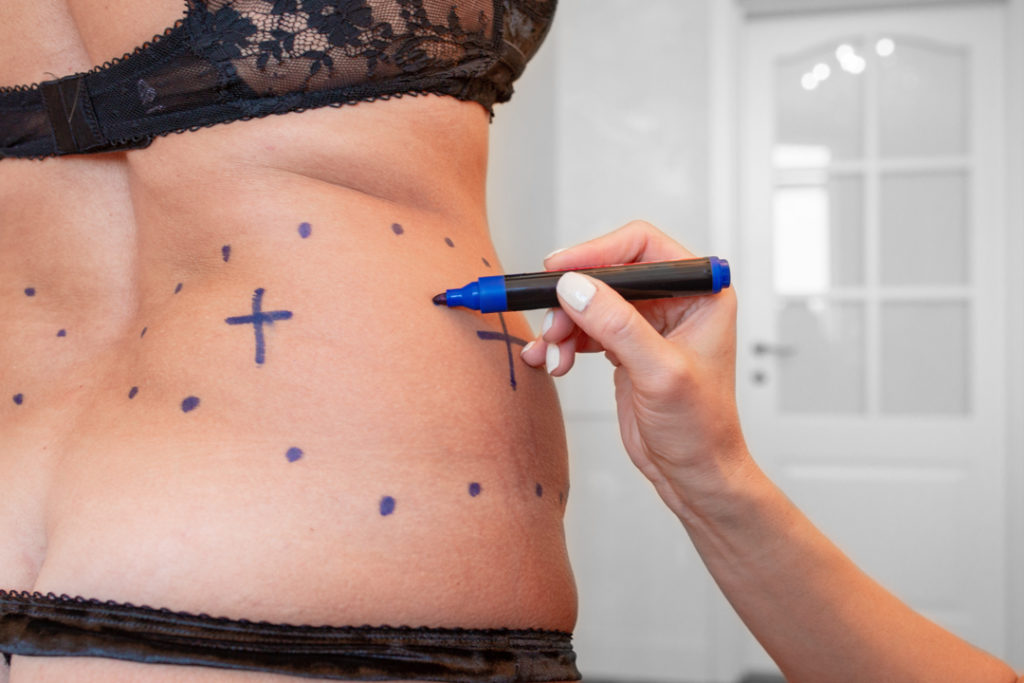
People often think of liposuction as a straightforward body contouring procedure. A patient points to an area that bothers them, the surgeon removes fat, and the shape improves. In practice, the quality of the result is shaped long before the procedure date. The consultation is where expectations are tested, anatomy is evaluated, risks are clarified, and a realistic plan is built. If that conversation is rushed or superficial, even technically sound surgery can leave a patient disappointed.
That is especially true when people search for Liposuction Michigan options and compare practices based only on price, before and after photos, or appointment availability. Those things matter, but they do not tell the whole story. A successful outcome depends on whether the surgeon understands the patient’s goals, whether the patient is a good candidate, and whether both sides are aligned on what liposuction can and cannot do.
A good consultation does more than answer questions. It filters out bad plans. It reveals hidden problems. It protects patients from chasing a result that their tissue quality, weight pattern, or recovery habits may not support. In many cases, the consultation is where the best decision is not to move forward with liposuction at all, at least not yet.
Liposuction is sculpting, not weight loss
One of the biggest sources of disappointment is a basic misunderstanding of what liposuction is designed to do. Liposuction removes localized fat deposits to improve contour. It does not serve as a primary treatment for obesity, and it does not tighten significantly loose skin. Patients may arrive hoping the procedure will flatten a lower abdomen that is actually protruding because of separated abdominal muscles, or smooth an upper arm that has more skin laxity than excess fat. Without a careful consultation, those differences can be glossed over.
This is where experienced judgment matters. Two patients may both ask for “stomach lipo,” but they can require very different recommendations. One might have firm skin, stable weight, and a concentrated lower abdominal fat pocket, a classic setup for a satisfying result. Another might have had pregnancies, marked stretch marks, and moderate skin looseness. In that second case, aggressive liposuction can actually make the area look worse by reducing support under already lax skin.
A thorough consultation reframes the goal from “remove fat” to “create the best contour possible within the limits of your anatomy.” That shift sounds subtle, but it changes everything. It moves the discussion away from wishful thinking and toward a surgical plan grounded in tissue behavior.
The consultation reveals whether someone is a candidate, not just whether they want the surgery
A strong candidate is not simply someone bothered by stubborn fat. The surgeon also needs to assess general health, weight stability, skin quality, prior surgeries, medications, nicotine use, and recovery capacity. These details affect both safety and aesthetics.
Weight stability deserves special attention. If a person plans to lose another 25 or 30 pounds, many surgeons will advise waiting. Liposuction before major weight changes can produce a result that no longer matches the body after future loss. On the other hand, someone at a stable weight who exercises regularly and has a few resistant areas may be in an ideal position for treatment.
Michigan patients, like patients anywhere, often schedule consultations around life transitions, after having children, before weddings, after major weight loss, or ahead of summer. Timing can create pressure. People sometimes want surgery quickly because a deadline feels emotionally urgent. A responsible consultation slows that momentum down enough to ask the right questions. Is the patient choosing this for themselves, or reacting to an event? Can they realistically take time off work? Do they have help at home for the first several days? Are they expecting surgery to fix body image distress that may run deeper than contour alone?
Those questions are not obstacles. They are part of competent care.
What a skilled surgeon is really evaluating during the visit
To a patient, the consultation may feel like a conversation about body areas. To the surgeon, it is also an assessment of predictability. The surgeon is looking at how fat is distributed, whether there are asymmetries, how thick the fat layer feels, how elastic the skin is, and whether the planned area transitions naturally into adjacent zones.
A common example involves the abdomen and flanks. Some patients focus almost entirely on the front of the stomach. Yet if the flanks are fuller and untreated, the waist may still appear blocky after abdominal liposuction. In another patient, treating the flanks more aggressively than the central abdomen may create the cleaner shape they want. These contour relationships are hard to judge from online photos or quick phone calls. They become clear in person.
Surgeons also evaluate scars, hernias, firmness from prior procedures, and the possibility of internal factors such as muscle laxity. A patient may insist the issue is “fat below the belly button” when, after examination, it becomes obvious that a mini tummy tuck or full abdominoplasty would address the concern more effectively than liposuction alone. That is the kind of course correction a worthwhile consultation should provide.
Why expectation setting matters as much as technical skill
Good surgery cannot rescue bad expectations. That may sound blunt, but it is true in aesthetic practice.
A patient who expects perfection from a body with natural asymmetry is likely to struggle, even after a very respectable result. The same goes for someone who wants dramatic skin tightening from liposuction, or who believes one procedure will make them look like they did at 22 after decades of normal aging, weight fluctuation, and pregnancy.
During a proper consultation, the surgeon should discuss likely improvement in plain terms. Not vague reassurance, and not sales language. Realistic terms. How much contour change is plausible? Will the result look best in fitted clothing, a bathing suit, or mainly in side profile? What irregularities are possible? How much swelling should the patient expect, and for how long?
The strongest consultations often include a little uncomfortable honesty. For example, a surgeon may say, “I can improve this area, but it will not be perfectly flat because your skin has some laxity,” or “Your outer thighs can be contoured, but if we overdo it you may get a hollowed look.” Patients who hear these nuances before surgery are usually better prepared and more satisfied later. They know what was promised, what was possible, and what trade-offs were accepted.
Consultation is where surgical planning becomes individualized
Liposuction is not one operation performed the same way on every body. Liposuction Michigan The best plan depends on the number of areas treated, whether the patient has had prior surgery, the anticipated aspirate volume, and whether any complementary procedure would improve balance.
Some patients benefit from liposuction alone. Others are better served by combining it with a skin excision procedure, fat transfer, or a staged approach. That decision should not be made casually. Combination procedures can improve contour harmony, but they can also increase operative time, recovery demands, and cost. A consultation is the place to weigh those trade-offs carefully.
There is also the question of restraint. More is not always better. Patients sometimes assume that maximum fat removal equals maximum improvement. Experienced surgeons know that overresection can create dips, waviness, or an unnatural athletic look that does not match the patient’s frame. Leaving the right amount of fat in the right plane is part of skilled contouring. That sort of restraint often separates elegant results from aggressive, obvious surgery.
When patients explore Liposuction Michigan providers, they often focus on visible before and after galleries. Those are useful, but the consultation tells you whether the surgeon can explain why one plan is preferable to another for your body, not just whether they have treated bodies that resemble yours.
The best consultations uncover lifestyle factors that affect healing
Recovery does not happen in the operating room. It happens at home, at work, in cars, during short walks, while putting on compression garments, and while resisting the temptation to judge the result too early.
A detailed consultation should cover the practical side of recovery. That includes soreness, drainage from small incision sites, swelling, bruising, compression wear, limitations on lifting, and the timeline for returning to exercise. It should also address the patient’s specific routine. A schoolteacher who stands all day has different recovery demands than someone who works remotely. A parent with toddlers needs a different support plan than someone who lives alone.
This is where brief, concrete advice matters more than broad reassurance. The patient needs to understand not only what recovery looks like in theory, but what it looks like in their life. Can they avoid lifting laundry baskets? Who will drive them? If their procedure is in a cooler month, do they have time to heal before warm-weather events? If they plan surgery in summer, are they comfortable managing compression and swelling during hot weather? These are not glamorous details, but they shape the overall experience.
A consultation that addresses logistics honestly often prevents regret. Many unhappy postoperative stories start with some version of “I didn’t realize recovery would interfere with daily life this much.” That gap should be closed before surgery is scheduled.
Questions that deserve clear answers
Patients do not need to arrive as experts, but they do need enough information to make a sound decision. The consultation should create space for direct, useful questions and equally direct answers.
Here are five questions worth asking during a liposuction consultation:
- Am I a good candidate for liposuction alone, or would another procedure address my concern better?
- What result is realistic for my body, skin quality, and current weight?
- What are the main risks in my case, including contour irregularity or loose skin afterward?
- What will recovery actually look like during the first two weeks and the first two months?
- If my goal is improvement rather than perfection, how would you define success for this plan?
The value of these questions lies less in the words than in the surgeon’s response. A thoughtful answer usually includes nuance. A weak answer leans on absolutes, avoids limitations, or promises more than anatomy is likely to deliver.
Red flags often appear during consultation, not after
Patients sometimes assume that trouble only becomes obvious if a complication occurs later. In reality, some of the clearest warning signs show up during the first meeting.
A rushed consultation can be one sign. So can vague explanations, dismissiveness about concerns, or a tendency to agree with every request without discussing trade-offs. If a patient says, “I want my inner thighs very thin,” and the response is immediate enthusiasm with no mention of skin quality, friction patterns, healing, or the risk of irregularity, that should raise concern.
Another warning sign is a surgeon or coordinator who treats cost as the only meaningful variable. Price matters, and patients should understand fees clearly. But body contouring is not a commodity purchase. The cheapest option can become the most expensive if it leads to revision surgery, prolonged recovery, or an outcome that never matched the original discussion.
A solid consultation should leave the patient informed, not pressured. It is normal to feel excited. It is not healthy to feel cornered.
Why local context can matter when choosing a Michigan provider
The phrase Liposuction Michigan often enters the conversation at the search stage, when patients are narrowing down where to book. Geography alone does not determine quality, but local practicalities can matter more than people expect.
Postoperative visits are easier when the office is accessible. That matters if swelling concerns arise, if garments need adjustment, or if the surgeon wants to follow healing closely. Winter travel in parts of Michigan can also make timing relevant. A patient recovering from surgery does not want to navigate icy conditions for every appointment if it can be avoided. On the other hand, some people prefer cooler months for privacy, looser clothing, and time to heal before summer.
There is also value in a surgeon who understands the rhythms of the local patient population. Many Michigan patients juggle demanding work schedules, active family life, and seasonal recreation. Recovery planning should fit real life, not an idealized calendar. A consultation grounded in those realities tends to be more practical and more honest.
Before and after photos are helpful, but they can mislead without context
Patients naturally study photo galleries. They want proof that the surgeon can deliver attractive results. That instinct is sensible. Yet photos tell only part of the story. Lighting, posture, timing after surgery, and patient selection all influence what you see. A consultation should add context.
Ask whether the photographed patients had similar skin tone, body shape, and degree of laxity. Ask how long after surgery the after photos were taken. Early images may still show residual swelling. Very polished images may not reveal subtle texture changes. A good surgeon can explain why a result looks smooth, why another patient needed a combined procedure, or why someone with a comparable starting point achieved a moderate rather than dramatic change.
This conversation often helps patients move from fantasy to specificity. Instead of saying, “I want that exact result,” they begin to say, “I like the waist definition here, but I understand my skin may not retract the same way.” That is a far more productive starting point.
Emotional readiness belongs in the consultation too
Aesthetic surgery is physical, but the decision is emotional as well. Most people seeking liposuction are not vain. They are often frustrated by a body area that has resisted exercise or remained out of proportion for years. Still, frustration can cloud judgment. Patients may arrive wanting immediate change after a breakup, after seeing unflattering photos, or after comparing themselves to edited images online.
A responsible consultation creates room for emotional clarity. That does not mean psychoanalyzing every patient. It means asking why now, what the patient hopes to feel afterward, and whether the goal is proportionate to what surgery can realistically deliver.
The healthiest candidates tend to describe specific, grounded goals. They want clothing to fit better. They want the lower abdomen or flanks to look more balanced. They understand they will still be themselves after surgery, just with an improved contour. Patients who describe surgery as the thing that will finally fix confidence, relationships, or self-worth may need a slower conversation and sometimes a pause.
That pause can be one of the most valuable outcomes a consultation provides.
What patients should bring into the room
A little preparation can make a consultation far more useful. Patients do not need a script, but they should arrive ready to talk plainly about goals, health history, and timeline. Photos of themselves at a weight they felt good at can sometimes help illustrate proportion goals, as long as they are used realistically. Reference photos of other people are less useful unless the conversation stays focused Liposuction Michigan on general shape rather than exact replication.
It also helps to bring a medication list, mention supplements, and disclose nicotine or vaping habits honestly. Patients sometimes downplay smoking because they fear being judged or delayed. That is a mistake. Nicotine affects healing and can materially change safety and recovery planning. The consultation only works when the information is accurate.
If there is one mindset worth carrying into the room, it is this: the purpose is not to get approved for surgery. The purpose is to find out whether surgery is the right move, and if so, what kind.
The consultation sets the tone for the entire experience
Every phase of body contouring reflects the quality of the original consultation. If the discussion was clear, the patient usually enters surgery with steadier expectations. Recovery feels less frightening because the normal milestones were explained in advance. Follow-up visits are more productive because both patient and surgeon are working from the same plan.
When the consultation is weak, uncertainty follows. Patients second-guess normal swelling. They focus on areas that were never expected to change much. They feel misled even when the technical result may be acceptable. The problem is not always poor surgery. Sometimes it is poor preparation.
That is why consultation matters so much for successful Liposuction Michigan outcomes. It is not a formality before the real event. It is where the real work begins. Shape is discussed there, but so are safety, timing, psychology, anatomy, healing, and restraint. The best results are rarely accidents. They are usually the product of a careful evaluation, an honest plan, and a patient who understands both the promise and the limits of the procedure.
A polished before and after gallery may catch attention. A thoughtful consultation earns trust. In aesthetic surgery, trust is not a soft extra. It is one of the strongest predictors that a patient will make a good decision, recover with confidence, and recognize a successful result when it arrives.
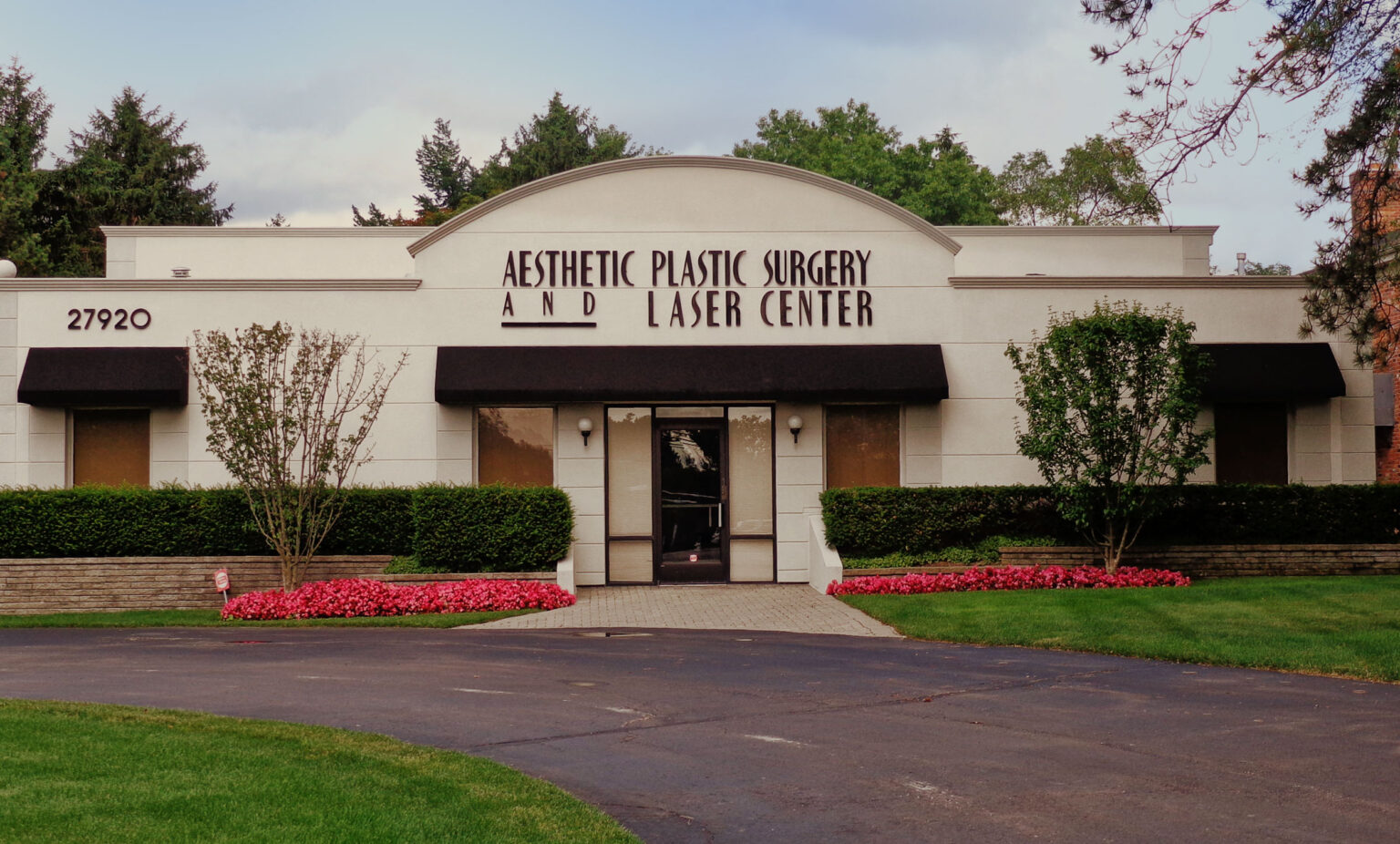
Aesthetic Plastic Surgery & Laser Center, Michelle Hardaway M.D.
27920 Orchard Lake Rd, Farmington Hills, MI 48334, United States
+1 248-221-1957
FAQ About Liposuction Michigan
Is 55 too old for liposuction?
Age 55 alone does not determine suitability. A surgeon evaluates overall health, skin quality, healing risks, and realistic goals. A personal consultation is needed to assess candidacy and discuss alternatives.
What happens 10 years after liposuction?
Contour improvements can last, especially with stable weight. Aging, pregnancy, and weight changes can alter the appearance over time. Results vary, and liposuction does not prevent future body changes.
Can lipo get rid of an apron belly?
Liposuction reduces localized fat but does not remove hanging excess skin. An apron belly may require assessment for a skin-removal procedure instead of, or alongside, fat removal. A qualified plastic surgeon can explain appropriate options and their risks.