The Science Behind Body Contouring Farmington Hills Treatments
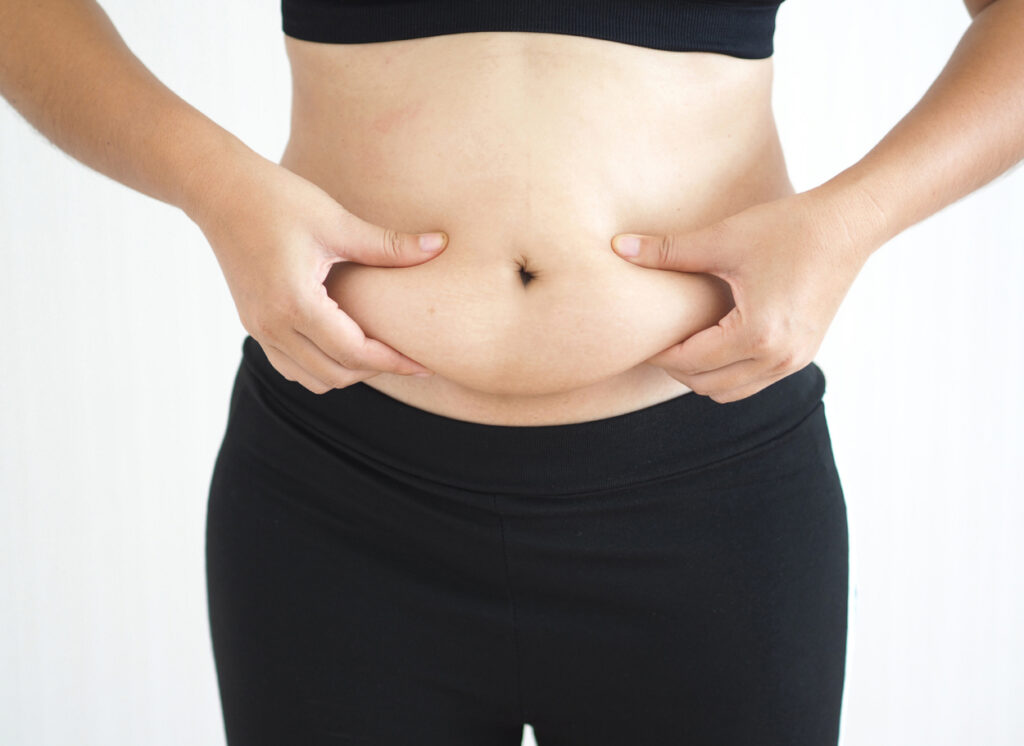
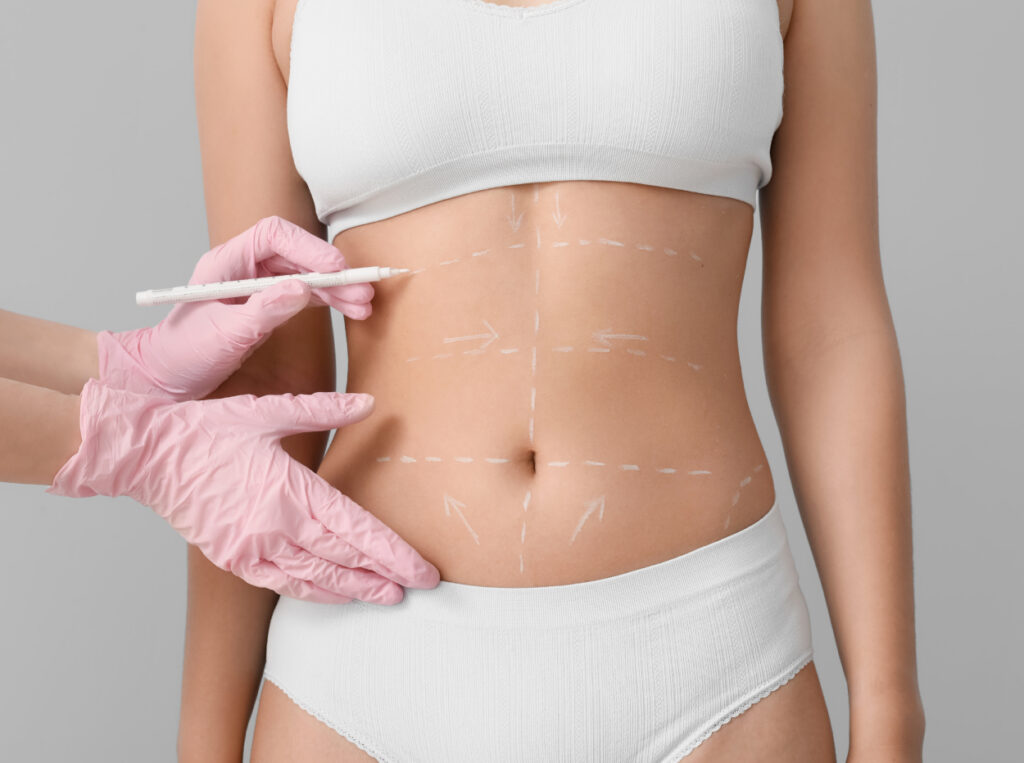
Body contouring sits at an interesting intersection of biology, physics, and patient expectation. People often arrive with a simple goal: they want a smaller waist, smoother flanks, less fullness under the chin, or better definition where diet and exercise have not delivered the change they expected. What sounds simple on the surface is actually a careful clinical process built on tissue behavior, energy delivery, wound healing, and metabolic clearance.
That is especially true when people start researching Body Contouring Farmington Hills treatments and discover that the term covers a wide range of options. Some are surgical. Many are not. Some shrink fat cells with cold, others disrupt them with heat, sound, or radiofrequency. Some tighten skin more than they reduce volume. Some are best for a person who is already close to their goal weight, while others are used after pregnancy or major weight loss, when loose skin becomes part of the picture.
The science matters because body contouring is not weight-loss medicine in the classic sense. It is shape management. The best results happen when the right treatment is matched to the right tissue problem. A patient may think they need fat reduction, when what they actually have is skin laxity. Another may be frustrated by a lower abdomen bulge that is partly fat and partly muscle separation. If that distinction is missed, no amount of energy-based fat treatment will fully solve the issue.
What body contouring is actually treating
At the most basic level, body contouring targets one or more of three things: subcutaneous fat, skin laxity, and tissue support. Subcutaneous fat is the https://johnathanouaj189.evercolumn.com/posts/how-technology-is-changing-body-contouring-farmington-hills pinchable layer under the skin. It differs from visceral fat, which sits deeper around internal organs and is not meaningfully treated by cosmetic contouring devices. Skin laxity refers to looseness caused by age, genetics, pregnancy, weight fluctuation, or collagen loss. Tissue support includes the fibrous scaffolding under the skin, along with muscle tone and fascial integrity.
That distinction is more important than most marketing materials make it sound. A patient with a firm, localized pocket of fat on the outer thighs may respond beautifully to fat-reduction technology. A patient with crepey skin above the knees may be better served by collagen-stimulating treatment. A patient with fullness under the chin and mild laxity may need a combined approach, because reducing volume without addressing skin recoil can sometimes reveal looseness that was less obvious before.
Clinically, assessment usually starts with touch, not technology. Pinch thickness, skin snap-back, body symmetry, and the distribution of fullness tell a trained eye a great deal. Good providers also ask when the area changed. Was it after childbirth? Menopause? A thirty-pound weight loss? A decade of stable fitness with one stubborn area that never moved? Those details guide the science-based choice of treatment.
The biology of fat cells, and why “spot reduction” is complicated
Fat cells, or adipocytes, store triglycerides and help regulate hormones and inflammation. Their behavior is more complex than the old idea of fat as passive storage. Adipose tissue is biologically active. It responds to insulin, cortisol, estrogen changes, calorie balance, and local blood flow. That is one reason why some areas feel stubborn even in people who exercise regularly.
Traditional exercise can reduce overall body fat, but it does not let a person choose exactly where fat leaves first. Genetics strongly influence whether weight comes off the face, chest, hips, arms, or lower abdomen. Body contouring treatments work around that limitation by acting locally on tissue in a way that exercise cannot.
Still, the body does not simply “melt” fat and flush it out overnight. Most nonsurgical fat-reduction technologies create controlled injury or stress to fat cells. The body then processes the damaged cells gradually, usually over several weeks to a few months. This is why realistic timelines matter. Patients expecting instant sculpting after one session are often disappointed, even when the treatment itself worked as intended.
How cold-based contouring works
Cryolipolysis, commonly known by brand names people often recognize, is built on a simple but clever observation: fat cells are more vulnerable to cold injury than surrounding skin, nerves, and muscle when temperatures are carefully controlled. During treatment, the tissue is drawn into an applicator and cooled to a range designed to trigger adipocyte apoptosis, which is a programmed cell death pathway.
That word, apoptosis, is central to the science. The goal is not random tissue destruction. The goal is selective stress that causes fat cells to enter a controlled death process. Over the following weeks, the immune system clears the cellular debris. Macrophages, which are scavenger cells, play a major role here. This inflammatory cleanup is mild and localized, which is why many patients can return to work the same day.
The appeal of cold-based contouring is precision. It can work well for distinct bulges, such as lower abdomen fullness, flank fat, or bra-line pockets, especially in patients whose weight is otherwise stable. The limitation is that not every area fits every applicator well, and not every body type responds dramatically. It is also not a skin-tightening procedure in the true sense, though minor contraction may occur in some patients.
There are edge cases worth discussing. Some people experience temporary numbness, tingling, or sensitivity after treatment. Rarely, a paradoxical enlargement of treated fat can occur, which is uncommon but important enough that reputable providers mention it during consent. Any honest scientific discussion has to include both the mechanism and the known risks.
Heat, radiofrequency, and ultrasound: different energy, similar goal
If cold exploits fat’s vulnerability to low temperatures, heat-based technologies work from the opposite direction. Radiofrequency devices deliver controlled thermal energy into tissue. Depending on the device design, that energy may target fat, skin, or both. Ultrasound-based systems can also focus energy at specific depths, sometimes causing thermal coagulation in fat or stimulating tissue remodeling.
The distinction between these modalities is not just technical. It affects what a patient can reasonably expect. Radiofrequency often shines when mild to moderate skin laxity is present along with some unwanted fullness. Heat causes collagen denaturation followed by remodeling, which sounds harsh but is actually the basis of tissue tightening. Existing collagen fibers contract, and over time the body lays down new collagen. That process takes time, often several months, which is why results can continue to improve after the visible swelling settles.
Ultrasound has its own strengths. Focused ultrasound can deliver energy below the skin surface with precision, making it useful in selected contouring and tightening applications. In practice, though, patient comfort, treatment depth, and provider technique matter enormously. Two treatments that sound similar online can feel very different in the chair and produce meaningfully different outcomes.
One of the common misunderstandings I see around Body Contouring Farmington Hills consultations is the assumption that all energy devices are basically interchangeable. They are not. Device choice matters, but tissue diagnosis matters more. A strong radiofrequency platform in the wrong patient will underperform. A modest device in a well-selected patient can produce very satisfying improvement.
Muscle stimulation and the “contouring” category
Some body contouring systems do not target fat cells directly at all. Instead, they use high-intensity electromagnetic stimulation or related technologies to trigger supramaximal muscle contractions. These are contractions far beyond what most people can voluntarily sustain in the gym. The idea is to strengthen and define underlying muscle while sometimes affecting nearby fat metabolism indirectly.
This category is scientifically interesting because it blurs the line between aesthetic medicine and performance physiology. When the abdominal wall or gluteal muscles are repeatedly stimulated at high intensity, the tissue adapts. Patients may notice firmer muscle tone, better shape, and a more athletic contour. That can be valuable, particularly after a period of inactivity or in patients who already have a relatively lean frame.
But these treatments are frequently oversold. They do not replace strength training, and they are not a cure for significant abdominal laxity caused by skin excess or diastasis. They can enhance tone. They cannot solve every reason a torso looks soft. The best providers explain this clearly rather than promising a “workout equivalent” as though physiology can be shortcut without context.
Why skin quality changes the result
Two people can lose the exact same volume of fat and end up looking very different. Skin quality is usually the reason. Younger skin with strong collagen and elastin tends to recoil better after volume reduction. Skin that has been stretched repeatedly, sun-damaged, or thinned by age may not contract enough to match the new contour smoothly.
Collagen is the structural protein that gives skin resilience and support. Elastin helps it spring back. Both decline over time, and their organization becomes less efficient with age and environmental stress. Smoking, large weight swings, chronic sun exposure, and genetics all influence this process.
That is why a good body contouring plan often combines approaches. A lower abdomen may benefit from localized fat reduction plus collagen stimulation. The neck may need skin tightening more than fat treatment. The upper arms, especially after weight loss, may look better with a plan that acknowledges both volume and laxity rather than chasing one problem in isolation.
In real practice, this is where patient satisfaction is won or lost. If the provider focuses only on what the machine does and not on how the tissue will look afterward, the science has been applied too narrowly.
The role of the lymphatic and immune systems
Many patients ask where the fat goes. It is a fair question, and the answer depends on the technology. When adipocytes are disrupted or pushed toward apoptosis, their contents are gradually processed by the body. The lymphatic system helps transport cellular waste and interstitial fluid. Immune cells participate in cleanup. Lipids are handled through normal metabolic pathways over time.
This is one reason hydration, movement, and patience are often encouraged after treatment. Those recommendations are not magic tricks, and they should not be marketed as if a brisk walk “melts” extra inches. Still, normal circulation and lymphatic function support the body’s natural processing mechanisms. A sedentary patient who expects dramatic overnight change may misunderstand how gradual tissue remodeling works.
Inflammation is part of the process as well. Not harmful inflammation in the sense of infection, but a mild, intentional healing response. Swelling, tenderness, and transient firmness in the treated area are not unusual, especially with heat-based or higher-intensity technologies. Sometimes patients interpret that early firmness as immediate fat reduction when it is actually post-treatment tissue reaction. Experienced clinicians explain this ahead of time so patients do not misread normal recovery.
What makes someone a good candidate
The best candidates for nonsurgical body contouring are usually close to their target weight, with stable habits and a specific concern they can point to with one hand. They often say some version of, “Everything else changes, but this spot doesn’t.” That is the right type of frustration for a localized treatment.
The less ideal candidate is the person hoping body contouring will compensate for ongoing weight gain, poor sleep, high alcohol intake, or major metabolic challenges. These treatments are not useless in that setting, but expectations need to be different. If the body is in constant flux, the contour result is harder to preserve.
Providers often look for these features during assessment:
- Stable weight for at least several months
- A localized pocket of pinchable fat or mild to moderate laxity
- Good general health and realistic expectations
- Commitment to maintaining results with nutrition and activity
- Skin quality that matches the chosen treatment plan
That last point is easy to underestimate. Someone may be a strong candidate for reducing volume but a weak candidate for looking tight and smooth afterward. Good consultations address both.
Why treatment plans vary so much from person to person
A common source of confusion is pricing and session count. One person may need a single treatment cycle on the flanks. Another may need multiple passes, different applicator placements, or a staged combination of fat reduction and skin tightening. That variation is not always upselling. Often, it reflects anatomy.
Take the abdomen. A small lower-belly fullness in a physically fit patient is very different from diffuse abdominal adiposity, prior C-sections, loose skin, or muscle separation after pregnancy. The same device can produce visibly different results depending on how much of the “problem” is actually fat.
The chin is another example. Submental fullness can come from fat, lax platysma, posture, genetics, or all four. Treating only fat in a patient with weak tissue support may create a partial improvement but not the crisp angle they were hoping for.
When people compare Body Contouring Farmington Hills options, the smartest question is not “Which machine is best?” It is “Which treatment best matches my anatomy, and what result is realistic for me?” That question usually leads to a much more productive consultation.
Surgical versus nonsurgical science
At some point, the science points clearly toward surgery. If there is substantial skin excess, significant muscle laxity, or a large volume of tissue to remove, nonsurgical methods may produce modest change but not transformation. Liposuction physically removes fat. Abdominoplasty removes excess skin and addresses muscle separation. Arm and thigh lifts reshape areas where energy-based devices may not be enough.
This is not a failure of technology. It is simply an issue of indication. Nonsurgical treatments excel in selected patients because they avoid incisions, general anesthesia, and longer downtime. Surgical procedures excel when tissue burden is too great for external energy to correct meaningfully.
An ethical provider says so plainly. In my experience, the most satisfied patients are not the ones who heard the most optimistic sales pitch. They are the ones whose treatment matched the actual biology of their concern.
The timeline people should expect
Results unfold in phases, and the timeline depends on modality. Cold-based fat reduction often shows early change in a month, with more complete change by two to three months. Radiofrequency and ultrasound tightening may continue improving for three to six months as collagen remodeling progresses. Muscle stimulation may create an earlier sense of firmness, but visible contour changes still depend on baseline body composition.
A practical timeline usually looks something like this:
| Phase | What is happening biologically | What the patient may notice | |---|---|---| | First few days | Swelling, inflammation, tissue response | Tenderness, fullness, numbness, firmness | | Weeks 2 to 6 | Cellular clearance begins, edema settles | Early contour change, better fit in clothing | | Weeks 6 to 12 | More fat clearance or collagen remodeling | More obvious shaping, improved definition | | Months 3 to 6 | Continued remodeling in some treatments | Final or near-final result for many patients |
That timeline matters because many cosmetic decisions are tied to events. Weddings, vacations, reunions, and summer wardrobes create urgency. Rushed treatment done too close to an event is one of the most avoidable planning mistakes I see.
Safety depends on training more than branding
There is a tendency to focus on the device and ignore the operator. That is backwards. Even FDA-cleared or widely respected technologies rely on proper patient selection, correct settings, anatomical judgment, and careful follow-up. Contraindications matter. So do prior surgeries, hernias, implanted devices, connective tissue disorders, and recent weight change.
A thorough consultation should cover medications, pregnancy status when relevant, history of poor healing, and what bothers the patient most. It should also include standardized photography if the practice offers it. People forget their baseline quickly. Objective images can be surprisingly useful when subtle changes accumulate over two or three months.
Safety conversations should feel unhurried. If a consultation brushes past risk, downtime, or likely degree of change, that is not a sign of confidence. It is usually a sign of weak process.
The psychology of contouring, and why realistic goals matter
Body contouring is physical medicine applied to an emotional topic. That does not make it superficial. Appearance affects comfort, confidence, clothing choices, and how people move through social settings. At the same time, no contouring treatment can fix a constantly shifting body image or guarantee that someone will suddenly feel different in every aspect of life.
The healthiest consultations are specific. “I want my waistline to look smoother in fitted clothes.” “I want less lower abdomen fullness after having children.” “I want my jawline to look less heavy on video calls.” Those are measurable, grounded goals.
Vague goals tend to create vague satisfaction. A patient who wants to “look completely different” may be disappointed even after a technically successful treatment. The science can reshape tissue. It cannot erase every frustration tied to aging, stress, or self-perception.
Why the best results still depend on habits
No body contouring treatment grants immunity from future weight gain. Remaining fat cells can still enlarge. Untreated areas can still change. Collagen can still decline with time. Maintenance is not glamorous, but it is the part that protects the investment.
That does not mean patients need perfect discipline. It means stable routines matter. Consistent protein intake, resistance training, sleep, hydration, and body-weight stability usually do more for long-term contour preservation than any post-treatment gimmick.
The most successful patients tend to view contouring as refinement, not rescue. They have already built the broad structure of their health, and they want targeted help where biology has been stubborn. When that mindset is present, the science behind body contouring has a much better chance to shine.
Body contouring is often marketed in simple before-and-after language, but the real story is more nuanced and more interesting. It is a set of tools grounded in tissue-selective energy delivery, inflammatory signaling, collagen remodeling, and metabolic clearance. Used well, those tools can produce meaningful change. Used carelessly, they can overpromise and underdeliver.
For anyone exploring Body Contouring Farmington Hills treatments, the smartest next step is not chasing the newest machine. It is finding a provider who can explain, in plain language, what is actually happening under the skin, what problem they are treating, and why that plan fits your anatomy. That is where the science stops being abstract and starts becoming useful.
Aesthetic Plastic Surgery & Laser Center, Michelle Hardaway M.D.
Address: 27920 Orchard Lake Rd, Farmington Hills, MI 48334
Phone number: +12482211957
FAQ About Body Contouring Farmington Hills
What does body contouring actually do?
Body contouring (or body sculpting) eliminates stubborn localized fat, tightens loose, sagging skin, and reshapes your silhouette. It is not a weight-loss tool, but rather a cosmetic procedure used to refine and tone specific trouble spots after major weight loss, pregnancy, or aging.
How much does body contouring usually cost?
The total cost of body contouring usually ranges from $2,000 to $25,000+ depending entirely on whether you choose non-surgical sessions or major surgical procedures.
Because "body contouring" covers everything from simple fat-freezing to comprehensive post-weight-loss surgeries, pricing is heavily categorized by the method used.
What is the best type of body contouring?
Liposuction is a huge topic and worth discussing in more detail, but in terms of body contouring and sculpting, nothing does the job better than liposuction, particularly VASER liposuction.